Our Location
304 North Cardinal St.
Dorchester Center, MA 02124

You’ve seen the viral transformations: chiseled cheekbones, lifted brows, and vanishing double chins. But behind the mesmerizing aesthetic of facial massage lies a dirty, unspoken skincare secret. The heavy carrier oils we’ve been told are mandatory for "slip" are quietly wreaking havoc on our lipid barriers, trapping bacteria, and triggering micro-congestion. Why are we combining 21st-century clinical skincare routines with archaic, pore-clogging grease? It’s time to rethink the mechanics of friction, abandon the bottle of oil, and discover the high-tech, breakout-safe alternative that is taking over the luxury aesthetic world: the Gua Sha Serum.
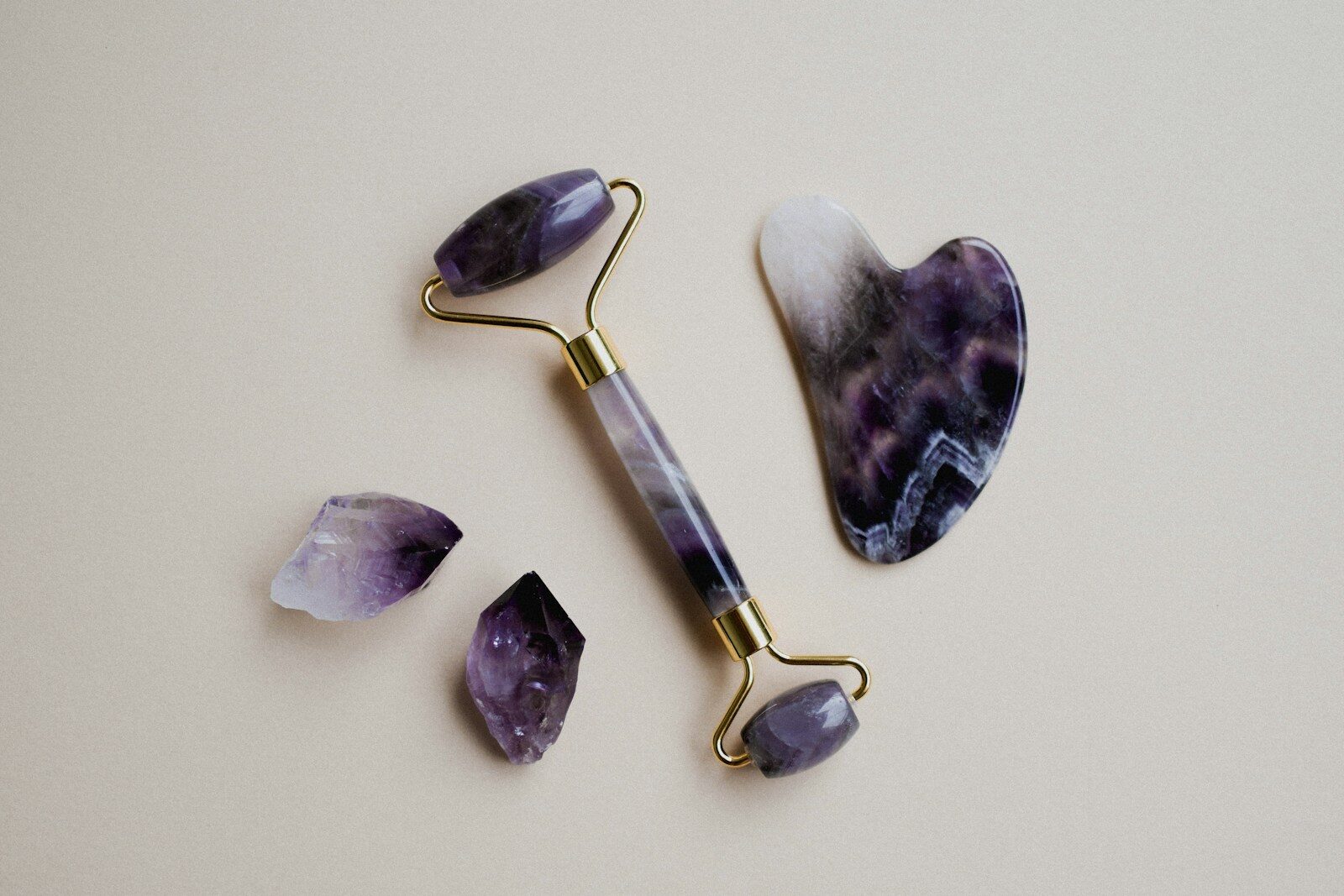
Walk into any high-end dermatology clinic or luxury aesthetic studio today, and you will notice a distinct absence. The amber dropper bottles of heavy, botanical seed oils—once the undisputed staple of facial massage—are quietly disappearing from the stainless steel trays.
For the last decade, the beauty industry has operated on a rigidly accepted dogma: if you want to sculpt the fascia and drain the lymphatic system of the face, you must drench the skin in oil. We bought into the idea that a heavy, greasy residue was simply the unavoidable toll we had to pay for a lifted jawline. We accepted the stained pillowcases, the necessary post-massage double cleanses, and the tragic irony of developing cystic acne from a routine that was supposed to “detoxify” our complexions.
But cosmetic chemistry has evolved. As our collective understanding of the skin barrier, transepidermal water loss (TEWL), and pore congestion has deepened, a massive structural flaw in the traditional facial massage routine has been exposed. The era of the raw carrier oil is over.
The debate of gua sha oil vs gua sha serum is currently dominating the formulation world, and the verdict is clear. Consumers are demanding the prolonged, frictionless glide of an oil, but with the fast-absorbing, non-comedogenic, active-ingredient profile of a luxury serum.
If you are currently ending your sculpting routine feeling like you need to wash your face, you are using outdated technology. Here is the definitive, scientific breakdown of why traditional lipids are failing your skin, and how the invention of the anhydrous serum matrix is fundamentally rewriting the rules of facial massage.
Before we can critique the products, we must understand the biological mechanics of the technique.
Gua sha is not a surface-level treatment. It is an intensive manipulation of the sub-dermal connective tissue (fascia) and the lymphatic network. To effectively drain stagnant lymph fluid and release muscle tension, you must apply sustained, directional pressure using a rigid, heavy tool.
This introduces a critical mechanical challenge: the preservation of the stratum corneum (the outermost layer of your skin).
If you are wondering about the safety of performing gua sha without oil or any form of lubrication, the clinical consensus is terrifying. Attempting to drag a stone edge across dry, unlubricated skin creates immense localized friction. This friction acts like micro-sandpaper. It disrupts the delicate acid mantle, pulls the elastin fibers beyond their tensile limit, and creates microscopic tears in the tissue. Over time, this mechanical stress causes localized inflammation, hyperpigmentation, and the exact premature skin laxity (sagging) the technique is meant to prevent.
You must have a buffer. You need a medium that reduces the coefficient of friction to near-zero.
Historically, raw plant oils were the easiest and cheapest way to achieve this. But achieving “slip” is only half the battle. What happens to that slip after the massage is where traditional products completely fail the modern consumer.
For years, the search for the best face oil for gua sha has been a game of lesser evils. Consumers bounce from one plant extract to another, trying to find the magical lipid that won’t trigger a breakout or leave them looking incredibly greasy. Let’s scientifically dissect the industry favorites to understand why they ultimately fall short.
Jojoba is the most frequently recommended lubricant by traditionalists. The primary defense for using jojoba oil for gua sha is biomimicry—its molecular structure is remarkably similar to human sebum. While it is certainly a safer choice than highly comedogenic kitchen oils like coconut or olive oil, it remains a raw, occlusive lipid.
When you apply a thick layer of jojoba to achieve a 15-minute glide, you are effectively sealing your pores under a heavy blanket. If you have combination or oily skin, layering artificial sebum over your naturally overactive sebaceous glands is a direct catalyst for congestion. Furthermore, jojoba is structurally inert. It does not contain advanced peptides or cellular communicators; it is just grease.
Squalane was the industry’s first attempt at solving the heavy-oil problem. Derived from olives or sugarcane, squalane is hydrogenated, meaning it is incredibly stable and highly lightweight. Many consider squalane oil for gua sha to be the gold standard for sensitive skin.
However, squalane introduces a mechanical failure: it lacks the viscosity required for prolonged massage. Because it is so thin, it absorbs rapidly into the skin. Five minutes into your sculpting routine, the slip disappears, the tool begins to drag, and you are forced to break your flow, reapply more oil, and start again. It is a frustrating, inefficient experience.
Skincare marketing heavily relies on the comedogenic scale (rating ingredients from 0 to 5 based on their likelihood to clog pores). Brands proudly tout their blends as a perfectly non comedogenic gua sha oil.
But cosmetic chemists know a secret: the comedogenic scale is wildly flawed. It tests ingredients in a vacuum, usually on the inside of a rabbit’s ear, not on a heated, massaging human face.
The act of gua sha generates localized heat through increased blood circulation. When you trap that heat, along with dead skin cells and surface bacteria, beneath any layer of oil (even a “non-comedogenic” one), you create an occlusive greenhouse effect. This micro-environment is the perfect breeding ground for Cutibacterium acnes, the bacteria responsible for deep, painful, cystic breakouts.
As consumers grew frustrated with breakouts, a logical question emerged: Can you use serum for gua sha?
If you try to use a standard, water-based serum—like your daily hyaluronic acid or niacinamide—the answer is a hard no. Aqueous (water-based) formulas are designed to evaporate and penetrate instantly. They offer zero prolonged slip. If you apply a water-based serum, your skin will be completely dry and tacky within 45 seconds, making tool manipulation impossible.
We needed a product that defied traditional chemistry. We needed the extended, frictionless glide of a heavy oil, combined with the fast-absorbing, active-ingredient delivery, and dry-down finish of a luxury serum.
This impossible chemical riddle was recently solved by clinical innovators like Gua Sha Lab, who completely abandoned the traditional “carrier oil” model to engineer a proprietary gua sha serum.
Rather than bottling cheap botanical seed oils, they formulated an anhydrous (waterless) gel-to-oil matrix. This is a highly sophisticated delivery system built around precise synthetic esters and active components.
When you dispense the product, it feels like a dense, luxurious gel. The moment it makes contact with the warmth of your skin, the matrix “bursts” into a deeply fluid, frictionless liquid. It gives you 15 to 20 minutes of uninterrupted, perfect glide for your heavy tools.
But the true genius reveals itself when you stop the massage. Because it is an engineered serum rather than a raw lipid, it does not sit on the surface. Within 60 seconds of completing your routine, the matrix absorbs seamlessly into the stratum corneum. It leaves behind a matte, velvety, non-greasy finish. You do not need to wash your face. You can immediately apply makeup or sunscreen. It is the ultimate evolution of facial massage technology.
For years, those suffering from breakouts have been entirely excluded from the lymphatic and sculpting benefits of facial massage. Estheticians would universally warn: if you have active breakouts, do not use heavy oils and do not scrape your face.
So, what exactly is the best gua sha oil for acne prone skin? The clinical truth is that you should never use an oil.
Acne-prone skin is already suffering from an overproduction of thick, sticky sebum and a compromised barrier. Adding raw plant lipids to this equation is disastrous.
This is why the paradigm shift to a serum is so critical. A high-viscosity, gel-to-water or gel-to-oil serum allows the acne-prone user to experience the mechanical benefits of gua sha—which actually helps flush the stagnant lymphatic fluid that contributes to cystic acne—without the chemical risk of occlusion.
Furthermore, because a premium serum (like the Gua Sha Lab matrix) is an advanced delivery vehicle, it can carry potent, acne-safe active ingredients. By incorporating clarifying red algae extracts or barrier-repairing peptides directly into the glide medium, the massage itself transforms from a physical chore into a deeply active, soothing skincare treatment. You are simultaneously sculpting the jawline and delivering cellular repair instructions to compromised tissue.
Owning a premium, high-tech serum and a heavy, custom-cast tool is only the beginning. The efficacy of the treatment lies entirely in the transactional mechanics of your technique. If you are rushing, or using the wrong angles, you are wasting your product.
Here is the masterclass protocol on how to use gua sha oil or an advanced serum for maximum, clinical-level results.
Step 1: The Eradication of Debris Facial massage increases micro-circulation and product absorption. If you have dirt, sunscreen, or makeup on your face, you are driving those pollutants deeper into your pores. Execute a thorough double-cleanse. Start with a melting balm to break down SPF, followed by a gentle, pH-balanced gel cleanser.
Step 2: The Hydro-Prep Active ingredients and peptides require a damp environment to communicate with the skin effectively. Saturate your face with a fine mist of hypochlorous acid or a glycerin-rich essence. Do not let it dry completely.
Step 3: The Matrix Application Dispense a controlled amount (usually 2-3 pumps) of your Gua Sha Serum into the palm of your hand. Gently rub your hands together to initiate the thermal burst, transforming the gel into a fluid. Press—do not rub—the serum firmly into your neck, jawline, cheeks, and forehead. Ensure a completely even, frictionless layer across the entire treatment area.
Step 4: The Strategic Drain (The Neck) The biggest mistake beginners make is starting on the jawline. The neck contains the primary lymphatic trunks. If you do not open the drains first, the fluid from your face has nowhere to go. Using the long, smooth edge of your tool, glide down the sides of the neck (from just under the ear to the collarbone) using light, feather-weight pressure. Repeat 5 times per side. Then, use moderate pressure to glide up the center of the neck to stimulate lifting.
Step 5: The Sculpting Angles
Step 6: The Seamless Finish If you were using a traditional, low-grade oil, you would now be forced to fetch a warm towel to vigorously wipe away the suffocating grease, inevitably causing redness and irritation. Because you upgraded to an advanced serum matrix, your routine is already finished. Allow the remaining product 60 seconds to fully absorb. The clinically active peptides and esters will lock into the stratum corneum, leaving a perfectly prepped, matte canvas ready for your daily moisturizer or immediate makeup application.
The beauty industry is defined by constant, relentless optimization. For a long time, the heavy, greasy, breakout-inducing facial oil was accepted as an unchangeable reality of the gua sha experience.
We no longer have to tolerate that friction. The debate of gua sha oil vs gua sha serum has decisively ended. By stepping away from raw, botanical oils and upgrading your routine to an engineered, gel-to-oil matrix—like the precise, minimalist, high-performance formulations developed by Gua Sha Lab—you fundamentally change the relationship with your skin barrier.
You are no longer just lubricating a stone. You are utilizing a highly sophisticated, active delivery system that simultaneously sculpts, firms, and clarifies. Demand precision from your skincare, eliminate the heavy grease, and step into the clinical future of facial massage.